Elementor #3677
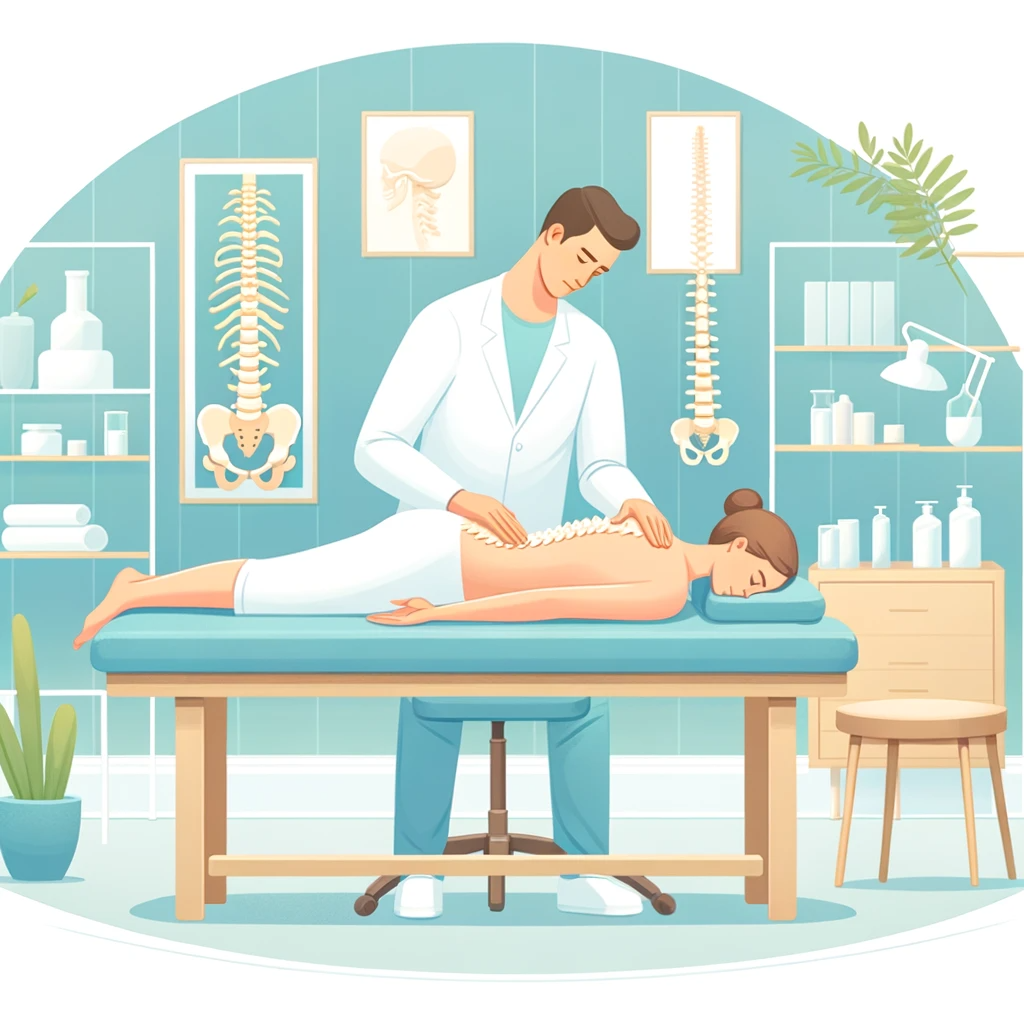
In a world that rarely slows down, many people are searching for something deeper than “relaxation.” We meditate, stretch, breathe, scroll through wellness advice, and still carry tension in our bodies long after the day ends. But what if the body already knows how to reset itself?The Stillpoint Technique is a gentle craniosacral practice designed to guide the nervous system into a rare state of profound calm — a moment where the body softens, mental chatter quiets, and the system shifts out of survival mode.Practitioners describe it as a doorway into deep stillness. What Is a “Stillpoint”? The concept of stillpoint comes from osteopathy and craniosacral therapy, a hands-on therapeutic approach focused on subtle rhythms within the body and nervous system.During a stillpoint, the body temporarily pauses its usual stress-driven patterns. Many people report feeling suspended between wakefulness and sleep — deeply relaxed, grounded, and unusually quiet inside.Instead of “trying” to relax, the body naturally moves toward regulation.This matters because modern stress often keeps the nervous system locked in a low-level fight-or-flight response. Even when we’re physically resting, the brain may still be scanning, reacting, and bracing.A stillpoint interrupts that cycle. Why the Technique Feels So Powerful One of the fascinating aspects of the technique is how little force is involved.Gentle contact is applied to specific points near the back of the head, encouraging connective tissues and neurological patterns to soften. As tension releases, many people experience:a slowing of thoughtsreduced muscular tensiondeeper breathingemotional releaseimproved body awarenessfull body/muscle relaxationa sense of mental spaciousnessSome describe the sensation as “floating” or “melting.”Others simply notice silence — something increasingly rare in daily life. The Nervous System and Deep Rest Stress isn’t only mental. It’s physiological.When the sympathetic nervous system stays activated for long periods, the body has difficulty repairing, digesting, sleeping, and recovering. Techniques that help activate the parasympathetic “rest-and-digest” response can significantly improve how we feel physically and emotionally.The Stillpoint Technique aims to support exactly that shift.Small exploratory studies mentioned in the original article suggested possible benefits related to agitation reduction in dementia patients and changes in sleep latency. While more research is still needed, the growing interest around nervous system regulation continues to expand. Why Stillness Matters More Than Ever Many people struggle not because they lack information, but because they rarely experience true stillness.There’s a difference between distraction and restoration.A stillpoint experience can create a temporary pause in the constant internal movement of thoughts, stress responses, and emotional tension. That pause often allows the body to reorganize itself naturally. Final Thoughts At Active Balance Healing, we recognize that most often think healing requires effort — more discipline, more optimization, more doing.The Stillpoint Technique suggests something different.Sometimes the body heals best when it finally feels safe enough to stop bracing for stress in the healing atmosphere that awaits you in our office.We focus on Mind-Body-soul healing and to assist your body in reducing cortisol levels, reduce inflammatory markers and support your immune system to its optimal capacity so that you feel your best!And in that brief moment of stillness, the nervous system remembers what balance feels like again.Reach out to learn more about how we can help you embark on your healing journey away from pain, stress and what the world has to throw your way, one step at a time.